

Introduction:
Tanzania, with its stunning landscapes, diverse wildlife, and rich cultural heritage, is a dream destination for safari enthusiasts. Whether you’re seeking the thrill of witnessing the Great Migration in the Serengeti, exploring the wildlife-rich Ngorongoro Crater, or relaxing on the pristine beaches of Zanzibar, Tanzania offers unforgettable experiences for every traveler. However, choosing the best time to visit Tanzania for a safari adventure can make all the difference in your experience. In this comprehensive guide, we’ll explore the factors to consider when planning your safari trip and highlight the best times to visit Tanzania for an unforgettable safari experience.
Understanding Tanzania’s Seasons:
Before diving into the specifics of when to visit Tanzania for a safari, it’s essential to understand the country’s distinct seasons and how they impact wildlife sightings, weather conditions, and tourist crowds.
-
Dry Season (June to October):
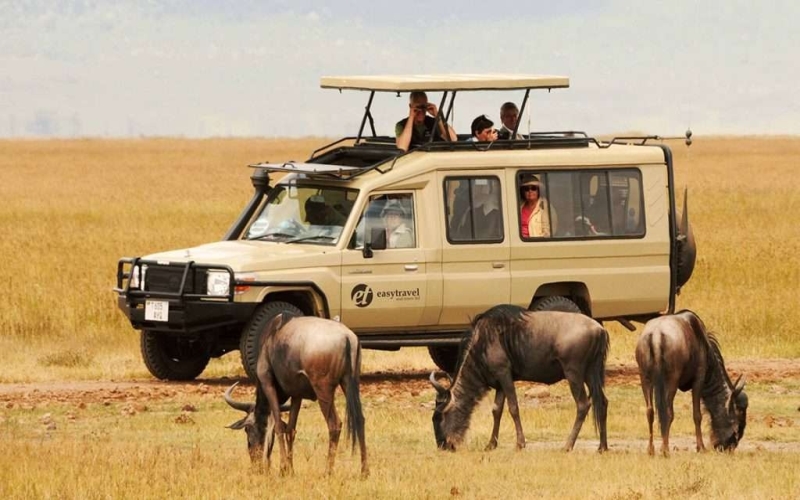
The dry season in Tanzania typically extends from June to October, characterized by clear skies, sunny days, and minimal rainfall. This period is considered the best time for wildlife viewing as animals congregate around water sources, making them easier to spot. The lack of vegetation also improves visibility, making it ideal for photography enthusiasts. Additionally, the dry season coincides with the Great Migration in the Serengeti, where millions of wildebeest, zebras, and other herbivores cross the Mara River in search of greener pastures, offering a spectacle like no other.
-
Wet Season (November to May):
The wet season in Tanzania spans from November to May, bringing with it occasional rainfall and lush green landscapes. While the wet season is considered the low season for tourism due to the unpredictable weather and muddy roads, it offers its own unique advantages. The abundant rainfall rejuvenates the vegetation, attracting migratory birds and providing a picturesque backdrop for safari adventures. Additionally, the wet season sees fewer tourists, allowing for a more intimate and exclusive safari experience. However, it’s essential to note that some areas may be inaccessible due to flooding during heavy rains.
Factors to Consider When Planning Your Safari:
When determining the best time to visit Tanzania for a safari, several factors should be taken into account to ensure an optimal experience:
- Wildlife Migration Patterns: If witnessing the Great Migration is at the top of your safari bucket list, timing your visit to coincide with the migration is crucial. The migration typically occurs from June to October, with the wildebeest herds crossing the Mara River between July and September. Planning your safari during this period increases your chances of witnessing this incredible natural phenomenon.
- Weather Conditions: Tanzania experiences two distinct seasons—the dry season and the wet season—each with its own advantages and drawbacks. While the dry season offers excellent wildlife viewing opportunities and clear skies, the wet season provides lush landscapes and fewer crowds. Consider your preferences and priorities when deciding which season aligns best with your safari goals.
- Budget and Crowds: The timing of your safari can also impact your budget and the level of tourist crowds you’ll encounter. Peak tourist season, coinciding with the dry season and the Great Migration, tends to be more expensive and crowded. If you’re looking to save money and avoid crowds, consider visiting during the shoulder or low season when prices are lower, and tourist numbers are fewer.
- Special Interests and Activities: Depending on your interests and preferences, certain times of the year may offer unique opportunities for specific activities. For example, birdwatching enthusiasts may prefer visiting during the wet season when migratory birds flock to Tanzania’s national parks. Similarly, photographers may appreciate the soft, diffused light of the early mornings and late afternoons during the dry season for capturing stunning wildlife shots.
Best Times to Visit Tanzania for Safari Adventures:
Now that we’ve covered the key considerations let’s explore the best times to visit Tanzania for an unforgettable safari experience:
-
June to October (Dry Season):
The dry season, particularly from June to October, is widely regarded as the best time to visit Tanzania for safari adventures. During this period, wildlife congregates around water sources, making them easier to spot, while the clear skies provide excellent visibility for game drives and photography. Additionally, the Great Migration typically occurs from July to September, offering a once-in-a-lifetime opportunity to witness this natural spectacle in the Serengeti.
-
December to March (Shoulder Season):
The months of December to March mark the shoulder season in Tanzania, transitioning from the short rains to the dry season. While there may be occasional showers, the landscapes are lush and green, creating a picturesque backdrop for safari adventures. Wildlife sightings are still abundant during this time, and tourist crowds are generally lower than during the peak season, making it an excellent time to visit for those seeking a more intimate safari experience.
-
April to May (Low Season):
The long rains typically occur from April to May, marking the low season for tourism in Tanzania. While the wet weather may deter some travelers, this period offers its own unique advantages, including lush landscapes, fewer tourists, and lower prices on accommodations and safari packages. Wildlife viewing may be slightly more challenging due to the dense vegetation and occasional rainfall, but for those willing to brave the elements, the wet season can be a rewarding time to visit Tanzania for safari adventures.
Conclusion:
Planning the best safari tours in Tanzania is an exciting and rewarding experience, but choosing the best time to visit is crucial for maximizing your safari experience. Whether you’re seeking the thrill of witnessing the Great Migration or exploring the lush landscapes of the wet season, Tanzania offers unforgettable safari adventures year-round. By considering factors such as wildlife migration patterns, weather conditions, budget, and personal preferences, you can plan a safari trip that exceeds your expectations and creates lasting memories of the wonders of the wild in Tanzania.