


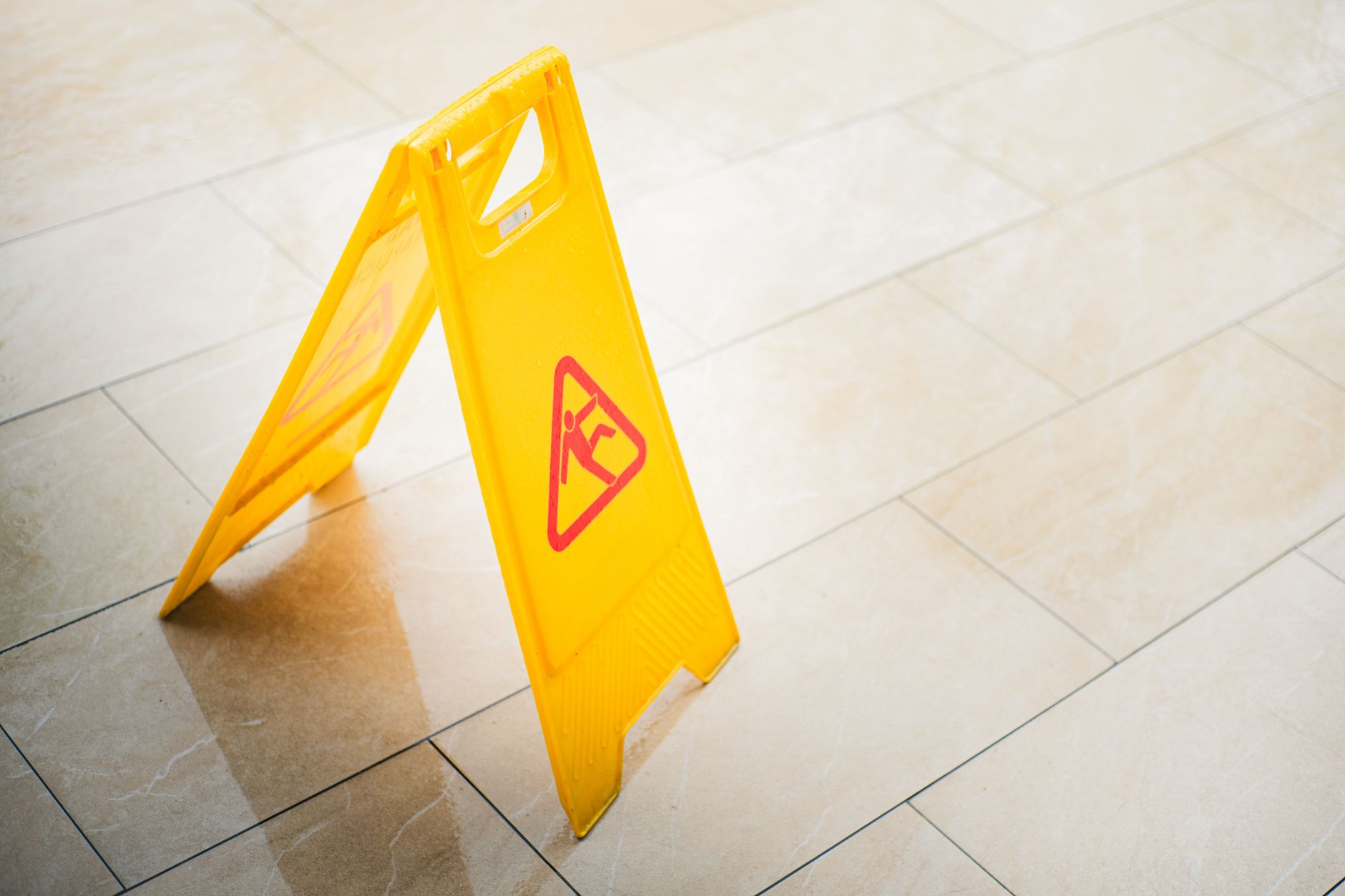
An injury caused by a slippery floor, poor lighting, broken steps, or another hazardous property condition can leave a person facing medical expenses, lost income, and uncertainty about the next steps. Premises liability lawyers help injured individuals understand whether a property owner or occupier may be legally responsible and what evidence is needed to pursue a claim.
Understanding Premises Liability
Premises liability is a legal principle concerning injuries that occur because a property was not reasonably safe. Depending on the circumstances and applicable law, responsibility may arise when an owner, occupier, manager, or other responsible party knew, or should reasonably have known, about a dangerous condition and failed to address it.
The exact duties can vary according to the type of property, the visitor’s status, and local legislation. For this reason, each incident requires a careful assessment of its facts.
Investigating the Accident
The first step is usually to establish how the injury occurred. Lawyers may review photographs, CCTV footage, accident reports, maintenance records, inspection logs, and witness statements. Medical records can also help connect the physical injury to the incident.
Evidence is important because hazardous conditions can be repaired or removed shortly after an accident. Prompt documentation can therefore help preserve information about what the property was like at the relevant time.
Establishing Notice and Negligence
A key issue is often whether the responsible party had notice of the unsafe condition. This may involve showing that they actually knew about the hazard or that it existed for long enough that they should reasonably have discovered it.
Lawyers may examine previous complaints, employee reports, inspection practices, and maintenance schedules. They may consider whether safety measures, such as repairing flooring or placing warning signs, were available but not taken.
Assessing Damages
Once liability is examined, the losses are assessed. These may include medical treatment, rehabilitation costs, lost earnings, property damage, and other documented expenses. Depending on the jurisdiction and circumstances, compensation may also address pain, suffering, or other non-financial losses.
Records are important when calculating these losses. Lawyers may collect invoices, wage information, medical documentation, and expert evidence where necessary.
Negotiating or Pursuing a Claim
Many premises liability disputes are resolved through negotiations with an insurer or the responsible party. Lawyers may prepare a demand supported by evidence and respond to arguments concerning liability or the value of the claim.
If an agreement cannot be reached, the matter may proceed to litigation. This can involve filing proceedings, exchanging evidence, questioning witnesses, and presenting arguments before a court.
The Role of Pyramid Legal
Pyramid Legal can be part of the legal support process by assisting with research, documentation, case preparation, and administrative or legal tasks. In premises liability matters, organised case materials and review of relevant information can help legal professionals assess the facts more efficiently. Its role can vary depending on the requirements of the matter and the legal team involved.
Conclusion
Unsafe property conditions can create complicated questions about notice, responsibility, evidence, and compensation. By investigating the incident, preserving relevant records, assessing losses, and handling negotiations or litigation, premises liability lawyers help clarify the legal issues surrounding an injury and support a structured approach to seeking an appropriate remedy.


