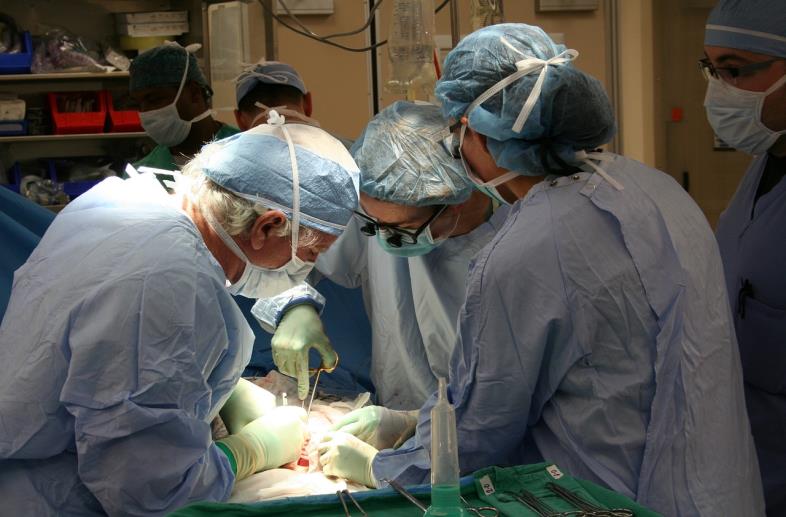
Wrong-site surgery is an unfortunate medical error where a surgical procedure is performed on the wrong side of the patient’s body.
In 2022, The Joint Commission received reports of 1,441 sentinel incidents, and wrong-site surgery accounted for 6% of them. These were just those that were reported, meaning that the prevalence can be higher than this. Around 60% of these cases were settled with an average indemnity of $136,452.84.
This adverse event can devastate patients’ mental and emotional well-being, leading to a cascade of psychological effects that can last for years. Understanding these effects is crucial for healthcare professionals to provide the necessary support and improve patient care.
In this article, we explore how wrong-site surgery can influence the mental health of patients.
The Immediate Psychological Impact
The immediate aftermath of wrong-site surgery is often marked by shock and disbelief. Patients enter surgery with the trust that the medical team will address their health concerns accurately. When this trust is shattered, the initial response can be confusion and denial.
The patient’s first reaction is often to question the mistake, grappling with the incongruity of their expectations and the outcome. A similar incident occurred in St. Louis, where a woman was operated on at the wrong site, not once but twice. According to KSDK, the woman, Natalie Avilez, was having a lot of pain in her lower back.
She took many medications, but there was no improvement. Ultimately, she was asked to see a specialist, who recommended disc herniation surgery. After the initial wrong-site surgery, her doctor, Fangxiang Chen, explained the problem, and she agreed to another surgery.
However, the procedure went wrong even the second time as the doctor removed the wrong part of her spine. She was in complete disbelief and a lot more pain after the two wrong-site surgeries.
Anxiety is another immediate psychological response. Realizing that a serious error has occurred can trigger intense worry about the implications for their health.
Patients might fear additional surgical procedures, potential complications, and the uncertainty surrounding their recovery. This heightened anxiety can exacerbate the physical pain associated with surgery, creating a cycle of distress that affects both body and mind.
You can slightly reduce the psychological impact by pursuing a legal approach, just like Natalie Avilez. She filed a lawsuit against the doctor and sought fair compensation for the damages she had suffered. You can do the same by hiring a local attorney specializing in personal injury and medical malpractice areas. For instance, considering the above case and the fact that you live in the same city, you can look for St. Louis personal injury lawyers.
According to TorHoerman Law, an attorney can help you file a lawsuit, gather evidence, and represent you throughout the legal proceedings. Moreover, they can also help negotiate with the insurance companies to get you the best possible settlement amount. You might be able to do all of these on your own, but the expertise that professionals bring to the table is invaluable.
Long-Term Psychological Consequences
As the initial shock subsides, the long-term psychological consequences begin to manifest. One of the most significant impacts is the development of post-traumatic stress disorder (PTSD).
PTSD can arise from the trauma of undergoing an invasive procedure that results in harm rather than healing. Patients with PTSD may experience intrusive thoughts, flashbacks, and nightmares related to the surgery. They might avoid medical settings altogether, fearing a recurrence of the trauma.
Depression is another common long-term effect. The sense of betrayal and the disruption of one’s life plans can lead to profound feelings of sadness and hopelessness. Patients may struggle with a diminished sense of self-worth, feeling that their body has been violated. This can be particularly intense if the wrong site surgery results in permanent physical impairment or disfigurement.
It is not just the patients; even surgeons can suffer psychologically after a wrong-site surgery. According to the American College of Surgeons, they may experience feelings of guilt, sadness, and anxiety post-surgery. However, they have to suffer in silence, as the incident occurred due to an error on their part.
Coping Mechanisms and Support Systems
Coping with the psychological aftermath of wrong-site surgery requires comprehensive support systems. Psychological counseling can play a pivotal role in helping patients process their trauma and develop coping strategies. Cognitive-behavioral therapy (CBT) is particularly effective in addressing PTSD and anxiety, providing patients with tools to manage their symptoms.
Peer support groups can also offer significant benefits. Connecting with others who have experienced similar medical errors can reduce feelings of isolation and provide a sense of community. These groups can serve as a platform for sharing coping strategies, emotional support, and practical advice for navigating the healthcare system.
Healthcare providers must also actively support patients through their recovery. Clear and compassionate communication is essential in rebuilding trust. Medical professionals should acknowledge the error, offer a sincere apology, and provide transparent information about the steps to prevent future incidents.
However, the sad part is that most patients who experience these kinds of tragic events don’t receive any support. A PubMed study tried to determine coping and recovery in patients after adverse medical errors.
It was found that 86.5% of patients facing these events had emotional sequelae, usually guilt and anxiety. However, only 24.3% of the patients going through the trouble received emotional support.
Frequently Asked Questions
What is a typical risk factor for wrong-site surgery?
Miscommunication or poor verification of the patient’s identification, surgical site, or method are frequent risk factors for wrong-site surgery. This can happen for various reasons, including insufficient patient information, inability to follow conventional standards, or hasty preoperative procedures.
What are the outcomes of surgical errors?
Surgical mistakes can cause mild problems, major injury, or even death. Patients may face longer recovery times, further operations to repair mistakes, physical limitations, mental discomfort, etc.
How long does the psychological aftermath of wrong-site surgery usually last?
The long-term psychological impact of wrong-site surgery might vary depending on the severity of the error and the patient’s coping mechanisms. Some patients may develop short-term anxiety, sadness, or post-traumatic stress disorder (PTSD). Others, however, may have long-term psychological stress, which has an influence on their entire quality of life.
To summarize, wrong-site surgery is a harrowing experience that leaves deep psychological scars on patients. The immediate impact of shock and anxiety can evolve into long-term conditions such as PTSD and depression. The erosion of trust in the medical profession and the broader healthcare system can lead to avoiding necessary medical care.
Coping with these psychological effects requires a robust support system, including psychological counseling, peer support groups, and compassionate healthcare providers. Legal and ethical considerations also play a role in providing restitution and preventing future errors.