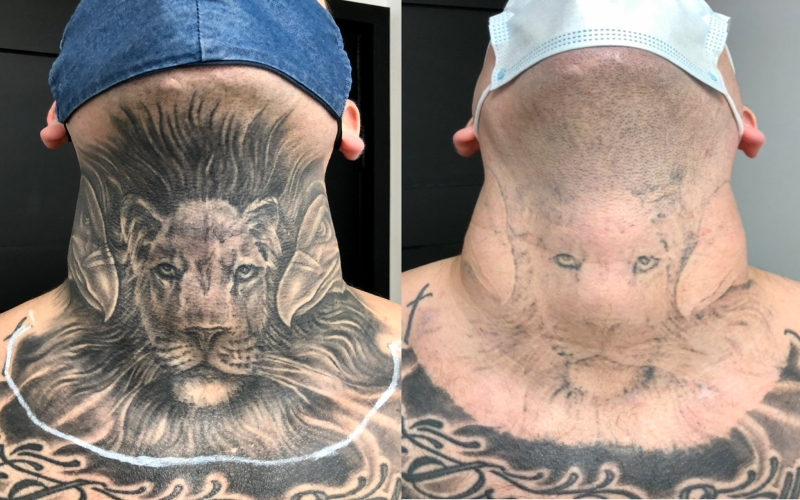
Tattoos have long been a popular form of self-expression, but circumstances change, and many individuals find themselves seeking ways to remove unwanted ink. While brooklyn tattoo removal and similar services have become increasingly accessible, one of the most common questions people ask is, “How many sessions will it take to completely remove my tattoo?” The answer, as you might expect, isn’t straightforward. Let’s dive into the factors that influence the number of sessions required for complete tattoo removal.
Factors Affecting Tattoo Removal Sessions
Several variables come into play when determining the number of sessions needed for complete tattoo removal:
- Tattoo Size and Complexity: Larger tattoos and those with intricate designs typically require more sessions.
- Ink Colors: Some colors are easier to remove than others. Black and dark blue tend to respond well to laser treatment, while greens, yellows, and fluorescent colors can be more challenging.
- Ink Density: Tattoos with more ink or those that have been touched up multiple times may need additional sessions.
- Skin Tone: Individuals with lighter skin tones often see faster results, as the contrast between the ink and skin makes it easier for the laser to target the pigment.
- Location on the Body: Tattoos on areas with good circulation (like the chest or back) tend to fade faster than those on extremities.
- Age of the Tattoo: Older tattoos are often easier to remove as the ink has already begun to break down naturally over time.
- Individual Health Factors: A person’s immune system plays a role in removing the broken-down ink particles, so overall health can impact the process.
The Average Number of Sessions
Given the variables mentioned above, it’s challenging to provide an exact number of sessions that will work for everyone. However, on average, most people require between 6 to 12 sessions for complete tattoo removal. Some tattoos might be gone in as few as 3-4 sessions, while others could take 15 or more treatments.
It’s important to note that these sessions are typically spaced 6 to 8 weeks apart. This allows time for your body to flush out the broken-down ink particles and for your skin to heal between treatments. As a result, the entire process of tattoo removal can take anywhere from several months to a couple of years.
The Tattoo Removal Process
Understanding the process can help set realistic expectations for the number of sessions required:
- Initial Consultation: A professional will assess your tattoo and discuss your goals.
- First Treatment: The laser targets the ink, breaking it into smaller particles.
- Healing Period: Your body’s immune system works to remove the fragmented ink particles.
- Subsequent Treatments: Each session breaks down more ink until the tattoo fades completely.
Progressive Results
It’s crucial to understand that tattoo removal is a gradual process. You’ll likely notice the most significant fading after the first few sessions, with progress becoming more subtle as you continue treatments. Some people might be satisfied with partial fading and choose to stop treatments before complete removal.
Factors That Can Speed Up the Process
While the number of sessions needed is largely dependent on the tattoo itself, there are some things you can do to potentially speed up the process:
- Stay Hydrated: Drinking plenty of water can help your body flush out broken-down ink particles more efficiently.
- Exercise Regularly: Increased blood flow can aid in the removal of ink particles.
- Avoid Smoking: Smoking can slow down the healing process between sessions.
- Protect the Area from Sun Exposure: Sun damage can make tattoo removal more difficult.
- Follow Aftercare Instructions: Proper care between sessions can help optimize results and minimize complications.
The Importance of Patience and Realistic Expectations
Tattoo removal is not an overnight process. It requires patience, commitment, and realistic expectations. While it may be tempting to rush the process or seek out promises of quick removal, it’s essential to prioritize safety and effectiveness over speed.
Remember that everyone’s experience with tattoo removal will be unique. What takes 8 sessions for one person might take 12 for another, even if the tattoos appear similar. Regular consultations with your tattoo removal specialist will help you track progress and adjust the treatment plan as needed.
Conclusion
While the exact number of sessions needed for complete tattoo removal varies widely, most individuals can expect to undergo 6 to 12 treatments. Factors such as tattoo size, ink colors, location, and individual health all play a role in determining the length of the process.
If you’re considering tattoo removal, the best approach is to consult with a qualified professional who can assess your specific tattoo and provide a personalized estimate. Remember that patience is key, and with the right approach and expectations, you can achieve the results you desire.
Ultimately, whether it takes 3 sessions or 15, the goal is the same: to help you feel confident and comfortable in your skin. With modern laser technology and experienced professionals, that goal is more achievable than ever before.