


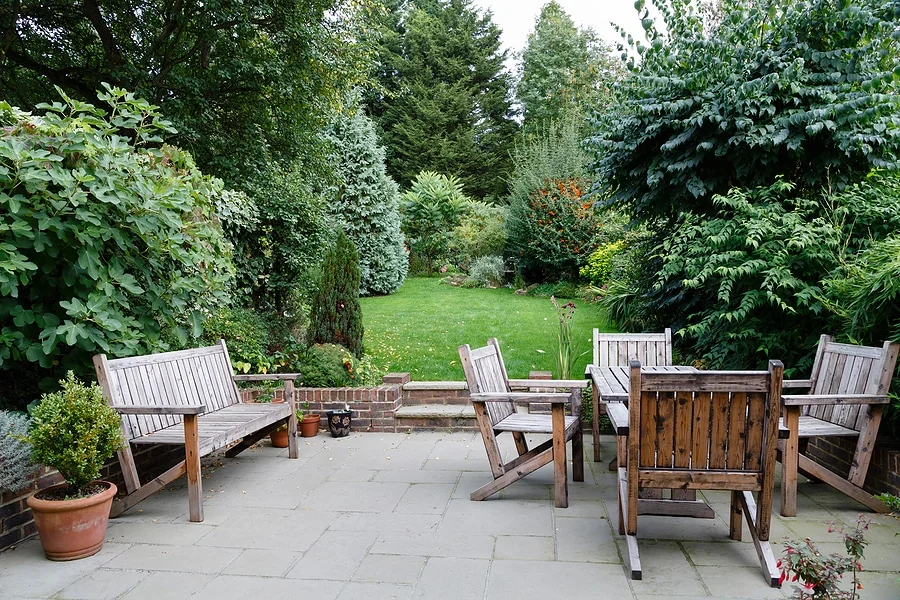
Fall is an important transition period for gardeners. As temperatures drop and daylight hours shorten, plants respond by slowing their growth and preparing for colder conditions. This makes fall the perfect time to clean up your garden, protect existing plants, improve your soil, and prepare for the next growing season.
While fall weather can be unpredictable, a little preparation can help your garden handle cooler temperatures, heavy rain, strong winds, and occasional frost. Whether you maintain a large backyard garden or a few plants on a balcony, these practical steps along with accurate weather data can help keep your garden healthy throughout the changing season.
1. Check Your Local Fall Weather
Before making major changes to your garden, understand what kind of weather your area typically experiences during fall. Some regions experience mild temperatures and regular rainfall, while others may face early frosts, heavy storms, or rapid temperature drops.
Pay attention to:
- Average temperatures
- Expected rainfall
- First frost dates
- Wind conditions
- Humidity
- Sudden temperature changes
Checking both historical patterns and current forecasts can help you decide when to prune, plant, cover sensitive plants, or reduce watering. Weather Data can be useful for reviewing historical and forecast weather information when planning seasonal garden work.
2. Clean Up Dead and Diseased Plants
Start your fall preparation by removing dead, dying, or diseased plant material.
Remove spent annual plants, fallen fruit, dead flowers, and weeds from garden beds. Diseased leaves and stems should be handled carefully because leaving infected material in the garden may allow some diseases to persist into the next growing season.
However, don’t remove everything automatically. Some healthy plant stems and seed heads can provide food and shelter for birds and beneficial insects during colder months.
The goal is to clean up unhealthy material while preserving useful natural habitat.
3. Remove Fallen Leaves Strategically
Fallen leaves are a major part of fall gardening.
Instead of treating every leaf as waste, consider using healthy leaves as a natural source of organic matter. Shredded leaves can be added to compost or used as mulch in appropriate areas.
However, thick layers of wet leaves can block sunlight and airflow around plants and may encourage fungal problems. Clear leaves from lawns, pathways, drainage areas, and plants that are particularly sensitive to excessive moisture.
A balanced approach allows you to benefit from fallen leaves without allowing them to become a problem.
4. Protect Sensitive Plants
Some plants are more vulnerable to cold weather than others.
If frost or unusually low temperatures are expected, protect sensitive plants with appropriate horticultural covers. Container plants may sometimes be moved to a sheltered location.
Young plants and recently planted trees may need additional protection because they have not yet developed extensive root systems.
Avoid covering plants with materials that prevent adequate airflow for extended periods. Follow the specific care recommendations for the plant species whenever possible.
5. Add Mulch Around Plants
Mulching is one of the simplest ways to prepare a garden for changing temperatures.
Organic materials such as shredded leaves, straw, compost, or wood chips can help insulate the soil and reduce rapid temperature fluctuations around plant roots.
Apply mulch around plants while avoiding direct contact with tree trunks and plant stems. Excessive mulch piled against stems can create moisture-related problems.
A moderate layer is generally more useful than creating a very deep pile.
6. Prepare Your Soil
Fall is an excellent time to improve soil for the following growing season.
Remove weeds and loosen compacted areas where appropriate. Adding compost or other organic matter can improve soil structure and support beneficial soil organisms.
You can also conduct a soil test to understand the soil’s pH and nutrient levels.
Avoid applying fertilizer simply because it’s fall. Plants have different nutritional requirements, and excessive fertilizer can cause unnecessary growth or nutrient imbalances.
Base soil amendments on your garden’s actual needs.
7. Use Weather Forecasts to Plan Garden Work
The most effective fall garden preparation isn’t based solely on the calendar. Weather conditions should influence when you perform important tasks.
For example, you may want to avoid planting immediately before extreme weather, delay certain pruning tasks until plants are dormant, or protect sensitive plants before an expected frost.
Detailed weather information can help you plan these decisions.
Final Thoughts
Preparing your garden for fall weather data is about working with the season rather than fighting it. Clean up unhealthy plant material, use fallen leaves wisely, improve your soil, protect sensitive plants, adjust watering, and make sure your garden has adequate drainage.
At the same time, remember that fall can be a productive gardening season. Planting appropriate bulbs, trees, shrubs, and perennials can give your garden a strong start for the following year.
Most importantly, pay attention to your local weather. Fall conditions vary considerably from one region to another, so flexible planning is more useful than following a rigid calendar.
With thoughtful preparation, your garden can remain healthy through the colder months and be ready to thrive when the next growing season begins.
