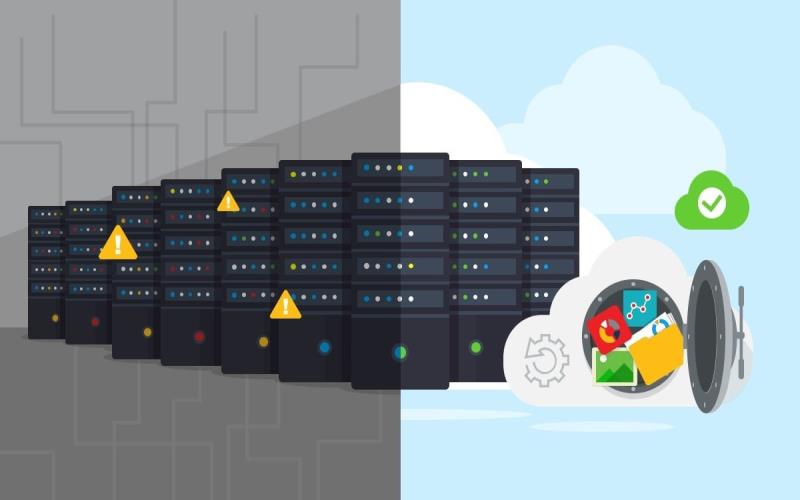
Businesses are continually seeking the best approach to manage their technological needs. But how does one choose between conventional IT setups and the newer alternatives? What sets them apart, and which one is right for your organisation?
These questions have become more pertinent as organisations strive to remain ahead in a competitive environment. The preference between these two techniques can significantly impact a business’s efficiency. Cloud services become central in this comparison, representing the modern alternative to what many have known and relied upon for years.
Cost Efficiency: Capital Expenditure vs. Operating Expense
Another critical factor is the financial implications of choosing between these options. Traditional setups often require significant capital upfront, as businesses must invest in hardware, software licenses, and the necessary infrastructure. These initial costs can be substantial, especially for smaller organisations.
On the other hand, the modern alternative shifts the financial model to an operating expense. Companies pay for what they use, often through a subscription model. This approach reduces the need for considerable upfront acquisitions and allows businesses to better manage their cash flow by spreading costs over time.
Scalability: Fixed Capacity vs. On-Demand Resources
Scalability is a crucial concern for growing businesses. The physical capacity of their hardware limits conventional setups. When a company outgrows its existing infrastructure, it must invest in additional equipment, which can be time-consuming and costly.
In contrast, the modern alternative offers on-demand scalability. Companies can quickly increase or decrease their computing resources based on their needs without physical hardware limitations. This flexibility is largely useful for businesses with inconsistent demands, as it allows them to adjust resources quickly without incurring unnecessary costs.
Maintenance and Support: In-House Teams vs. Provider-Managed
Maintaining and supporting traditional setups often requires an in-house IT team. This team is responsible for managing hardware software updates and troubleshooting issues as they arise. While this approach provides direct control over the infrastructure, it also demands significant time and expertise.
In comparison, the newer approach often includes maintenance and support as part of the service package. Providers manage the infrastructure, ensuring that it remains up-to-date and functional. This maintenance outsourcing allows companies to concentrate on their core business activities rather than getting bogged down in technical issues.
Security: On-Premises Control vs. Provider Security Protocols
Security is a top priority for any organisation, and the two approaches offer different advantages. Traditional setups allow businesses to control their security protocols completely, including physical access to servers and implementing custom security measures.
The alternative, however, leverages provider-managed security protocols. These providers often invest heavily in security measures, including data encryption, regular security updates, and compliance with industry standards. While companies must trust their provider to manage security, this approach can offer more protection than many organisations could achieve.
Adaptability to Change: Fixed Systems vs. Flexible Solutions
Another key differentiator is the ability to adapt to changing business needs. Conventional IT setups can be rigidly built around fixed hardware and software configurations. Making changes often requires significant effort and investment, slowing down a company’s ability to respond to new opportunities or challenges.
On the other hand, the modern alternative offers flexibility. Businesses can quickly implement new applications, adjust resources, or change their service package to meet evolving needs. This adaptability makes it easier for businesses to stay agile and responsive in a fast-paced demand.
Any business must decide between traditional IT solutions and modern cloud services. Each choice has strengths and weaknesses; the best option depends on the organisation’s specific needs and goals. By carefully considering all these factors, companies can make a knowledgeable decision that sustains their long-term success.