

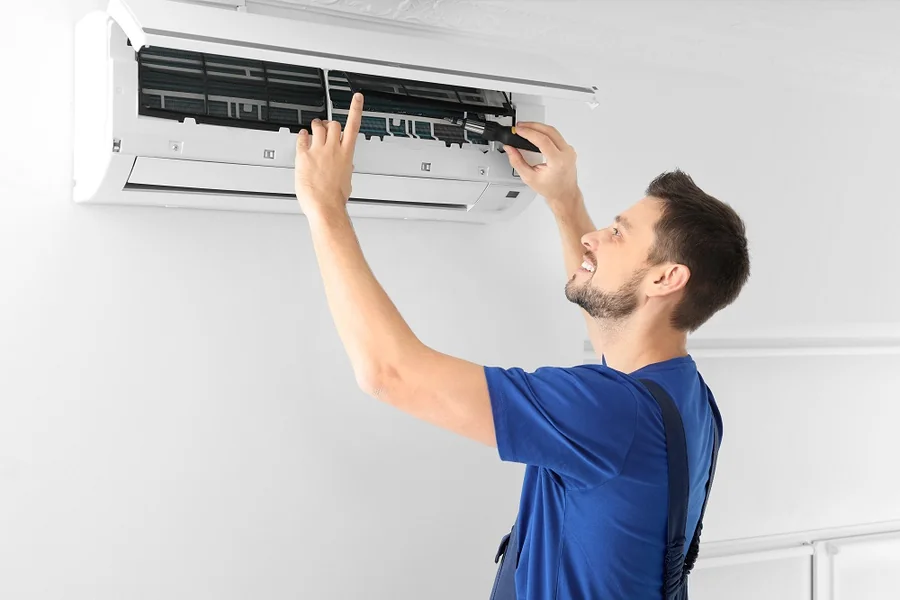
Planning for a new air conditioning system can make the installation process smoother and help you get the right equipment for your home. A little preparation also gives you an opportunity to consider your comfort needs and long-term maintenance. Before scheduling the work, it is helpful to understand what goes into selecting and installing a new system. You should also consider the condition of your current equipment and how well it has served your household.
Taking time to compare your options can help prevent rushed decisions later. Proper planning can also help ensure that the new system works well with your home’s layout and existing ductwork. Here are several important steps to consider before your next air conditioning installation.
Assess Your Current Air Conditioning System
Start by looking at how your current air conditioning system has been performing. Frequent repairs, inconsistent cooling, unusual noises, or rising energy bills may indicate that replacement is worth considering. Consider how old the system is and whether it has required more maintenance in recent years. It is also useful to identify rooms that tend to stay warmer or cooler than others. These temperature differences can point to issues with airflow, insulation, ductwork, or system capacity. Write down any recurring problems so you can discuss them during the planning process. Having this information ready can make it easier to determine what your next system should address.
Determine the Right System Size
Choosing the correct AC size is an important part of planning an installation. A system that is undersized may have difficulty keeping your home comfortable during hot weather, especially when temperatures rise. On the other hand, an oversized unit can cycle on and off too frequently, which may affect humidity control and energy efficiency. The goal is to find a system that can provide steady cooling without working harder than necessary.
The right size depends on several factors, including your home’s square footage, insulation, windows, layout, and local climate. A professional evaluation can help determine the cooling capacity your home actually needs instead of simply matching the size of your existing unit. Taking these details into account can also help address uneven temperatures throughout the home. Proper sizing gives your new system a better foundation for consistent cooling and long-term performance.
Schedule the Installation at the Right Time
Planning your installation before your existing system completely fails can give you more flexibility. Emergency replacements often leave homeowners with fewer opportunities to compare equipment and schedule convenient service times. Consider arranging an evaluation if your current system is becoming unreliable or requiring frequent repairs. You may also want to plan installation before the hottest part of the cooling season begins. When discussing timing, consider your household schedule and how long the work may affect access to certain areas of your home. Preparing the installation area ahead of time can also help the technicians work efficiently. Giving yourself enough time to plan allows you to approach the project with fewer last-minute decisions.
Work With a Qualified Installation Professional
Choosing the right professional for your AC installation can make a meaningful difference in the performance and reliability of your new system. Many professional installers, like TRS Heating and Air Conditioning, can evaluate your home’s cooling needs and help determine which system is appropriate for the space. They can also inspect important components, such as existing ductwork and electrical connections, to identify anything that may need attention before the new equipment is installed. Having these factors reviewed in advance can help ensure the new system is a good fit for your home.
A qualified professional can explain the work involved and any preparations needed around your home. Clear communication also gives you an opportunity to address questions or concerns before the work starts. This can help the installation stay organized and make the transition to your new cooling system easier.
Prepare Your Home for Installation Day
A little preparation can make installation day easier for everyone involved. Clear furniture, storage items, or other obstacles from the areas where technicians will need to work. Make sure the path to the indoor and outdoor equipment is accessible and free from unnecessary clutter. If pets are in the home, consider keeping them in a secure area away from the work zone. You should also remove fragile items from nearby shelves or surfaces that could be affected by routine movement during the project. Confirm the expected arrival time and ask what access the installation team will need before work begins. These simple steps can help the installation proceed more smoothly and reduce unnecessary interruptions.
Understand What Happens After Installation
Your planning should not end once the new air conditioner has been installed. Take some time to understand how the thermostat works and become familiar with any features included with the new system. Knowing how to use the controls properly can help you maintain a comfortable temperature without unnecessary adjustments.
It is also important to understand the recommended maintenance schedule and which basic tasks you can handle yourself, such as changing the air filter. Keep important records, including the equipment model, installation date, warranty information, and service details. Having these documents organized can make future maintenance or service visits easier.
During the first few weeks, pay attention to how evenly and consistently the system cools your home. Unusual noises, weak airflow, or inconsistent temperatures may indicate an issue that needs attention. Addressing concerns early can help support reliable performance and keep your new air conditioning system operating properly.
Conclusion
Planning ahead can make your next air conditioning installation smoother and easier to manage. Taking time to understand your home’s cooling needs and prepare for the installation can help you make confident decisions and avoid unnecessary surprises. Once the new system is in place, proper use and routine care can help maintain reliable performance. A thoughtful approach from the beginning can set your new AC system up for lasting comfort and efficiency.