Introduction
Many people are now paying attention to the use of bioplastics in plastic injection molding processes because of the rising global issues of plastic pollution. These bioplastics, made from renewable sources like corn starch, sugarcane, or cellulose, offer a promising alternative to traditional petroleum-based plastics. Plastic injection molding is adapting to include bioplastics as a crucial manufacturing material. This shift shows an increasing awareness of environmental sustainability and also responds to consumer demand for green products. Introducing bioplastics into injection molding applications can significantly reduce the environmental impact caused by mass-production of plastic products. As technology advances, the properties of bioplastics continue to improve and become more comparable to the conventional fossil fuel plastics in terms of functionality and cost. This growing importance of bioplastics signifies a transformative change towards a more sustainable future in the manufacturing industry.
What are Bioplastics?
Bioplastics are part of the plastic family derived from renewable biomass sources like plants, rather than petroleum. The industry is adopting bioplastics because they are more sustainable by reducing our reliance on fossil fuels and reducing greenhouse gas emissions. Bioplastics can be broadly categorized into two types: biodegradable and non-biodegradable. Biodegradable bioplastics, such as polylactic acid (PLA) and polyhydroxyalkanoates (PHAs), can naturally break down, while non-biodegradable ones like bio-based polyethylene (bio-PE) come from renewable sources but don’t decompose easily.
The differences between bioplastics and conventional plastics are primarily seen in their origin, biodegradability, and environmental impact. Conventional plastics are derived from fossil fuels, while bioplastics come from renewable resources. This renewable sourcing often leads to reduced carbon emissions during production. Additionally, many mold injection designs to be biodegradable or compostable, unlike most conventional plastics that stay in the environment for many years. Bioplastics are getting popular especially in the medical industry where they are used for plastic injection molding medical parts.
III. Benefits of Using Bioplastics in Injection Molding
The use of bioplastics in medical plastic injection molding offers many benefits across environmental, performance, and economic domains, contributing to a more sustainable and responsible production environment.
Environmental Benefits:
Biodegradable bioplastics have a significantly lower environmental impact compared to conventional plastics. They can decompose naturally, relieving the strain on landfills and reducing plastic pollution. Bioplastics are also derived from renewable resources such as plants, which actively absorb carbon dioxide reducing the carbon footprint. The production of bioplastics typically requires less energy than that of conventional plastics, resulting in minimized greenhouse gas emissions.
Performance Benefits:
Bioplastics have made impressive advancements in material properties, making them viable alternatives to traditional plastics in the production of plastic injection molds. Some bioplastics have durability and strength properties that are comparable to the conventional plastics. In addition, some variations have unique characteristics like enhanced flexibility, heat-resistance, and transparency. This diverse range of qualities enables manufacturers to choose bioplastics for specific applications without compromising product quality or functionality.
Economic Benefits:
As the demand for sustainable products continues to rise, many businesses are recognizing bioplastics as a valuable way to differentiate themselves in the market. Consumers are willing to pay extra for eco-friendly products, which opens up new revenue opportunities. Advancements in technology and economies of scale have also led to a decrease in the production cost of bioplastics, making them a financially viable choice for manufacturers. Opting for bioplastics can result in potential cost savings in waste management since biodegradable materials reduce disposal and recycling expenses.
1. Challenges in Using Bioplastics for Injection Molding
While bioplastics have numerous benefits, there are some challenges in integrating them into injection molding processes.
Material consistency and quality control: Maintaining material consistency and quality control poses a significant challenge. Bioplastics can show variations in their properties due to factors like biomass source, processing techniques, and environmental conditions. To achieve consistent material behavior for injection molding, ensuring predictable outcomes and desired product characteristics is essential. Serious quality control measures are necessary to address this variability and meet performance standards effectively.
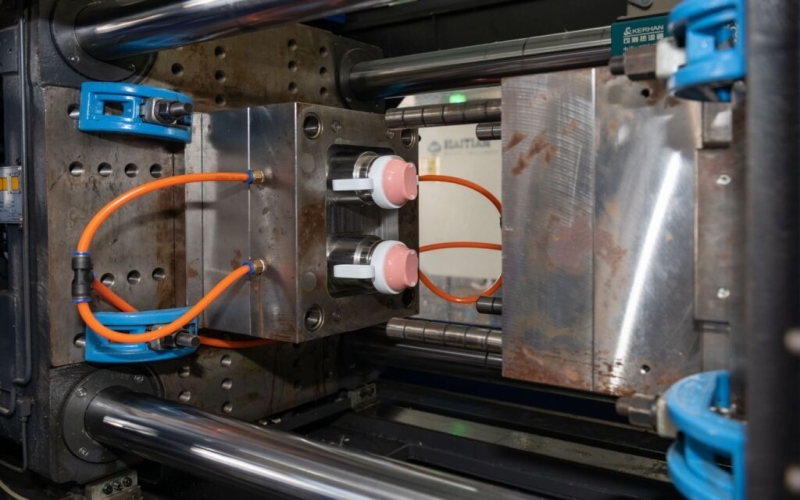
Adjustments in molding parameters and techniques: Adjusting bioplastics to molding parameters and techniques can present a challenge because bioplastics often have different melt temperatures, flow behaviors, and cooling rates compared to conventional plastics. Thus, calibration of molding machines and processes becomes necessary to accommodate these differences. This might involve investing in equipment and providing additional training to the operators. Failure to adjust these parameters can lead to defects such as warping or poor surface finish, which ultimately compromises the quality of molded products.
Market misconceptions and education: Misconceptions in the market pose a significant challenge. Despite the increasing awareness about bioplastics, there are persistent misconceptions surrounding their properties and capabilities. It is important for both manufacturers and consumers to understand that not all bioplastics are fully biodegradable. Educating stakeholders about the diverse range of bioplastics, their intended applications, and their environmental benefits is essential. This helps to avoid misaligned expectations and promote proper usage.
2. Case Studies: Successful Use of Bioplastics in Injection Molding
Two notable case studies that showcase the successful use of bioplastics in injection molding are SEA-LECT Plastics and UrthPact LLC. These studies shed light on the achieved outcomes and valuable lessons learned from their implementation.
SEA-LECT Plastics, an injection molding company based in the United States, made a conscious decision to adopt bioplastics for their manufacturing processes. They successfully shifted a line of kayak accessories from traditional plastics to biodegradable PLA. This transition yielded two significant outcomes. First, the bioplastics demonstrated durability comparable to their petroleum-based counterparts, addressing any concerns about performance. Additionally, this environmentally conscious shift enhanced their brand image and attracted customers who prioritize sustainability. This example shows the importance of careful material selection and thorough performance testing when it comes to ensuring that bioplastics meet or exceed quality standards required for applications demanding both durability and functionality.
UrthPact LLC, a sustainable packaging manufacturer, recognized the potential of bioplastics. They implemented a closed-loop system that uses corn-based PLA to create biodegradable cutlery and packaging and the results went beyond reducing environmental impact. The company experienced cost savings from reduced waste disposal expenses. This case emphasizes the importance of aligning business goals with sustainability objectives. UrthPact’s success demonstrates the economic advantages and market demand for bioplastics, particularly in sectors where consumers prioritize eco-friendly products.
3. Conclusion and Future Outlook
In conclusion, using bioplastics in plastic injection molding is essential towards addressing environmental concerns and promoting sustainable manufacturing practices. The biodegradability, performance adaptability, and market demand of bioplastics emphasize their significance. As industries increasingly prioritize eco-friendliness, bioplastics are expected to play an even bigger role in shaping the future of injection molding. Companies like TDL Mold are at the forefront in advocating for bioplastics manufacturing. Future trends may involve advancements in bioplastics engineering to enhance their properties for easy integration into new industries.