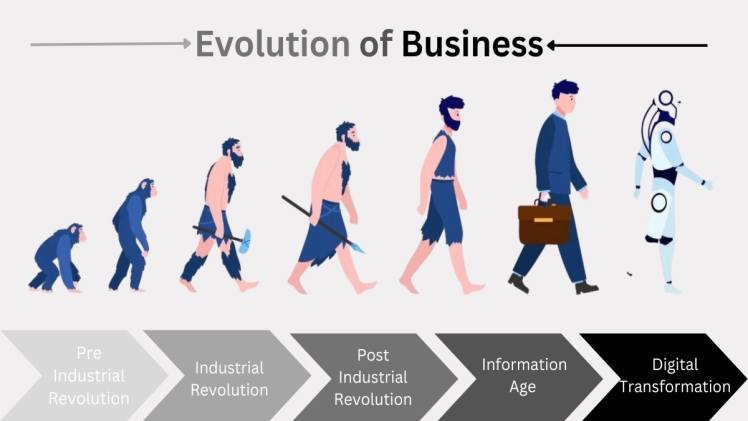
In the 21st century, business has undergone transformative changes driven by technological advancements, globalization, and shifting consumer expectations. The landscape of commerce is more dynamic than ever, with companies constantly adapting to stay competitive in a fast-paced, interconnected world.
Technological Advancements: The Digital Revolution
The digital revolution has been at the forefront of business evolution. The advent of the internet, smartphones, and advanced software systems has redefined how businesses operate, market their products, and engage with customers. E-commerce platforms like Amazon and Alibaba have made online shopping a norm, allowing businesses to reach a global audience with unprecedented ease. Social media platforms such as Facebook, Instagram, and LinkedIn have become vital tools for marketing, customer engagement, and brand building.
Artificial Intelligence (AI) and Machine Learning (ML) are further transforming business operations. From predictive analytics that drive decision-making to chatbots that enhance customer service, AI and ML are helping businesses become more efficient and customer-centric. Additionally, blockchain technology is revolutionizing industries such as finance and supply chain management by providing transparency, security, and decentralization.
Globalization: A Borderless Economy
Globalization has dismantled many of the geographical barriers that once constrained business operations. Today, businesses operate in a borderless economy where they can source materials, hire talent, and sell products across the globe. This has led to the rise of multinational corporations and a competitive international market.
However, globalization also presents challenges, such as navigating different regulatory environments, cultural differences, and geopolitical tensions. Companies must be agile and adaptable, understanding local markets while maintaining a cohesive global strategy.
Shifting Consumer Expectations: The Rise of the Conscious Consumer
Modern consumers are more informed and empowered than ever before. With access to vast amounts of information online, they can easily compare products, read reviews, and make informed purchasing decisions. This has led to higher expectations for quality, service, and transparency.
Moreover, there is a growing trend of conscious consumerism. Today’s consumers are increasingly concerned about the ethical and environmental impact of their purchases. Businesses are responding by adopting sustainable practices, ensuring fair labor conditions, and being transparent about their supply chains. Brands that demonstrate social responsibility and align with the values of their customers are gaining loyalty and competitive advantage.
The Future of Business: Innovation and Adaptation
As we look to the future, the business landscape will continue to be shaped by innovation and adaptation. Emerging technologies such as the Internet of Things (IoT), augmented reality (AR), virtual reality (VR), and AI business plan generator will create new opportunities and challenges. The ongoing development of 5G networks will further enhance connectivity and enable new business models.
Businesses will need to remain flexible and forward-thinking, continuously evolving to meet the changing needs of the market. This includes investing in research and development, fostering a culture of innovation, and embracing digital transformation.
Conclusion
The business world of the 21st century is marked by rapid change and boundless opportunities. Technological advancements, globalization, and shifting consumer expectations are driving businesses to innovate and adapt like never before. Companies that can navigate this complex landscape, leverage new technologies, and respond to the evolving demands of their customers will thrive in this exciting era of business.