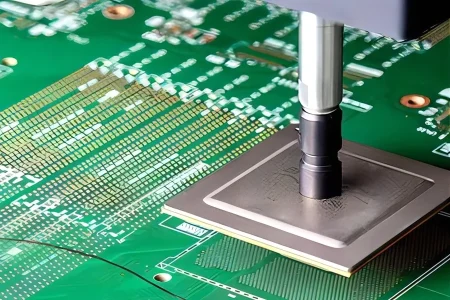
Technology has become an indispensable part of modern life, revolutionizing how we live, work, and interact with the world. From the advent of the wheel to the digital age, technological advancements have continuously shaped human civilization. This article explores the profound impact of technology on various aspects of society, including communication, healthcare, education, and industry, while also addressing the challenges and ethical considerations that accompany this rapid progress.
The Evolution of Technology
The history of technology is a testament to human ingenuity and the relentless pursuit of innovation. Early technological developments, such as the invention of tools, the wheel, and the printing press, laid the groundwork for subsequent advancements. The Industrial Revolution marked a significant turning point, introducing machinery that transformed manufacturing processes and paved the way for mass production.
The 20th century witnessed an unprecedented acceleration in technological progress, with the invention of the telephone, radio, and television revolutionizing communication. The latter half of the century saw the emergence of computers and the internet, heralding the digital age. Today, technology permeates every aspect of our lives, driven by innovations in artificial intelligence (AI), biotechnology, renewable energy, and more.
Enhancing Communication
One of the most profound impacts of technology has been on communication. The internet and mobile devices have made it possible for people to connect instantly across the globe. Social media platforms, email, and messaging apps enable real-time interaction, fostering a sense of global community. Video conferencing tools like Zoom and Microsoft Teams have become essential for remote work and virtual gatherings, especially in the wake of the COVID-19 pandemic.
Moreover, technology has democratized information, making it accessible to a broader audience. The proliferation of smartphones and the internet has empowered individuals with knowledge and the ability to share their voices, contributing to social and political movements worldwide.
Revolutionizing Healthcare
Technology has also revolutionized healthcare, improving patient outcomes and transforming medical practices. Advances in medical imaging, such as MRI and CT scans, allow for accurate diagnoses and early detection of diseases. Telemedicine has made healthcare more accessible, enabling remote consultations and reducing the need for in-person visits.
Biotechnology and genetic engineering have opened new frontiers in medicine, leading to personalized treatments and breakthroughs in combating genetic disorders. Wearable devices and health apps monitor vital signs and promote preventive care, empowering individuals to take charge of their health. Additionally, AI-driven algorithms assist in drug discovery and the development of innovative therapies.
Transforming Education
The integration of technology in education has reshaped the learning experience, making it more interactive and personalized. E-learning platforms and digital resources provide students with access to a wealth of information and learning materials. Online courses and virtual classrooms offer flexibility, enabling learners to study at their own pace and from any location.
Adaptive learning technologies use AI to tailor educational content to individual needs, enhancing comprehension and retention. Gamification and interactive simulations make learning more engaging, fostering creativity and critical thinking. Moreover, using a tools like dubbing ai to facilitates collaboration among students and educators, breaking down geographical barriers and promoting global learning communities.
Driving Industrial Innovation
The impact of technology on industry is profound, driving efficiency, productivity, and innovation. Automation and robotics have revolutionized manufacturing, reducing labor costs and increasing precision. The Internet of Things (IoT) connects devices and systems, enabling real-time monitoring and data analysis, optimizing operations, and enhancing decision-making.
In the realm of transportation, technology has given rise to electric vehicles (EVs) and autonomous driving, promising a future of sustainable and safe mobility. Renewable energy technologies, such as solar and wind power, are transforming the energy sector, reducing reliance on fossil fuels and mitigating environmental impact.
Challenges and Ethical Considerations
While technology offers numerous benefits, it also presents challenges and ethical considerations. One of the primary concerns is the digital divide, which exacerbates inequalities between those with access to technology and those without. Bridging this gap is crucial to ensure that technological advancements benefit all segments of society.
Privacy and security are other significant concerns. The collection and use of personal data by tech companies raise questions about surveillance, consent, and data protection. Cybersecurity threats, such as hacking and data breaches, pose risks to individuals and organizations alike.
The rise of AI and automation also brings ethical dilemmas, particularly regarding job displacement and the future of work. As machines take over routine tasks, there is a growing need for reskilling and upskilling the workforce to thrive in an increasingly automated world. Moreover, the development of AI must be guided by ethical principles to prevent biases and ensure transparency and accountability.
The Future of Technology
The future of technology holds immense promise, with continued advancements poised to address some of humanity’s most pressing challenges. Quantum computing has the potential to solve complex problems that are currently beyond the reach of classical computers. Biotechnology could lead to breakthroughs in curing diseases and extending human lifespan.
The development of sustainable technologies will be critical in combating climate change and preserving the planet for future generations. Renewable energy, smart grids, and energy-efficient solutions will play a vital role in creating a sustainable future.
Conclusion
Technology has undeniably transformed the world, driving progress and improving the quality of life. Its impact spans communication, healthcare, education, industry, and beyond, making it a cornerstone of modern society. However, with great power comes great responsibility. As we continue to innovate, it is essential to address the challenges and ethical considerations that arise, ensuring that technology serves as a force for good and benefits all of humanity. The journey of technological advancement is far from over, and the future holds exciting possibilities that will shape the world for generations to come.